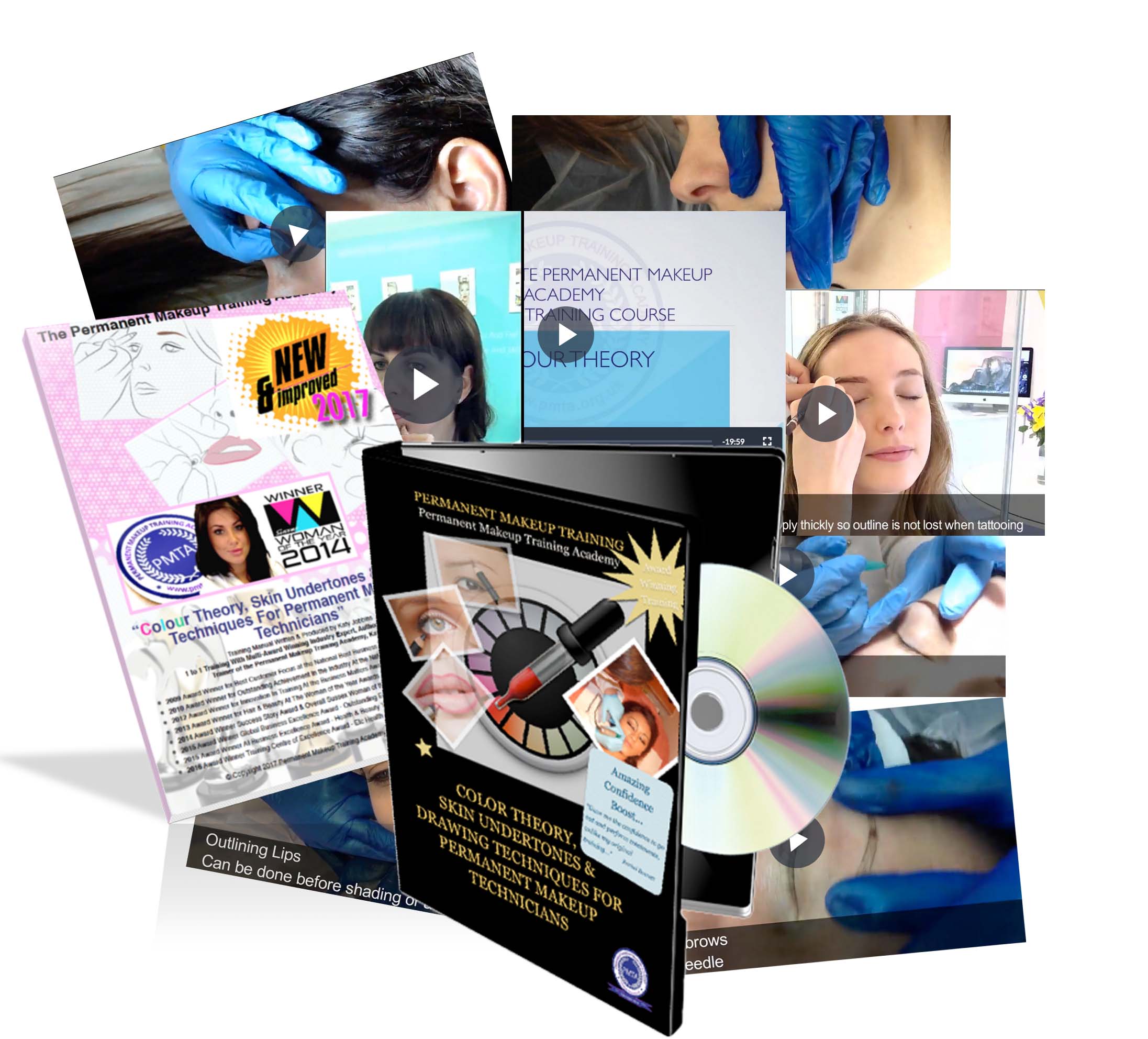
Color Theory Permanent Makeup

Color Theory Explained Inside And Out Beau Institute For

Colour Theory Semi Permanent Makeup Kent Natural Definitions

Colour Theory Gemma Kennelly
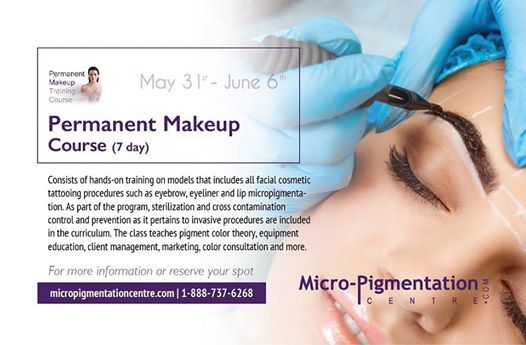
Wilcox clearly points out that knowing the base of a color is critical when attempting to identify create or correct a color.
Color theory permanent makeup. Learn why colors fade to pinkish or blue tones and how to correct. Colour correction and how to use modifiers. Colour theory in permanent make up. If you see orange tones in a clients eyebrow from previous work of another therapist they may have overloaded the warm tones in to the skin and have turned the brows orange or they may have used pigments with iron oxide which the body cannot break down.
They play a defining role in choosing the right color for each client. Undertone as well as skin tone come together to produce the canvas on which permanent makeup artists work. If your clients skin tone is ruddy or red the best selection is a green or green yellow based brown. If your clients skin tone were olive green then the neutralizing brown color would have more red in it.
Little did he know it would become our greatest resource for understanding the intra dermal color theory of permanent makeup. Color theory learn to create the perfect color for your client based on both the fitzpatrick and warm cool scale. Color theory micropigmentation permanent makeup microblading and cosmetic tattoo professionals. In this instance orange is corrected with our number 06 hemp pigment.
It is always skin undertone plus color pigment that equals the final color result. Undertones are described as cool warm or neutral. Basic color theory teaches us that opposites on the color wheel neutralize. Because yellow and blue just faded much faster than our red inorganic we will get our unwelcomed salmony eyebrows as fading result 2 in other example we used pigment that has been mixed with yellow and red organic and blue inorganic iron oxide or carbon and again because red and yellow faded much faster.
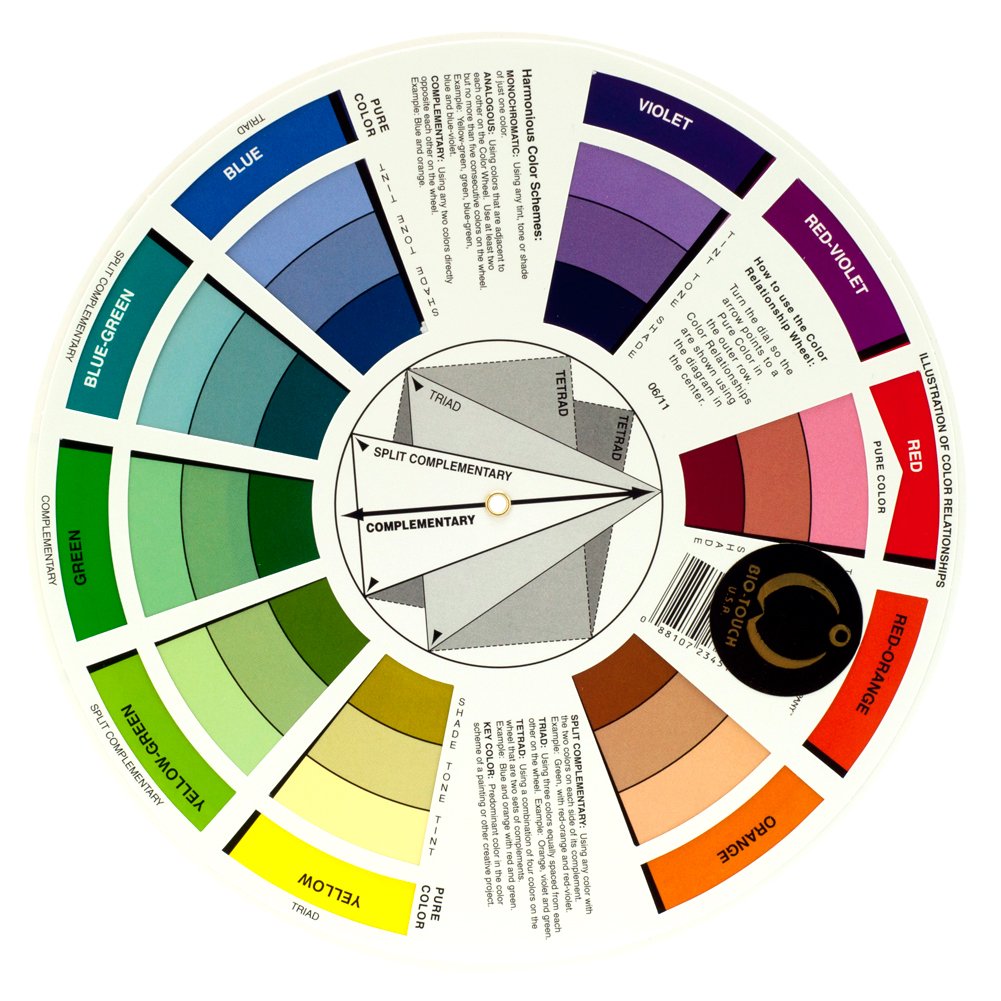
Amazon Com Biotouch Permanent Makeup Color Wheel Accessory Tools

Npm Training Episode 2 Color Theory With Tamara Sachs Youtube

What Influences The Colour Of A Cosmetic Tattoo Permanent Makeup

Color Theory For Permanent Makeup Saubhaya Makeup

Artist Colour Wheel 1 Unit 241a
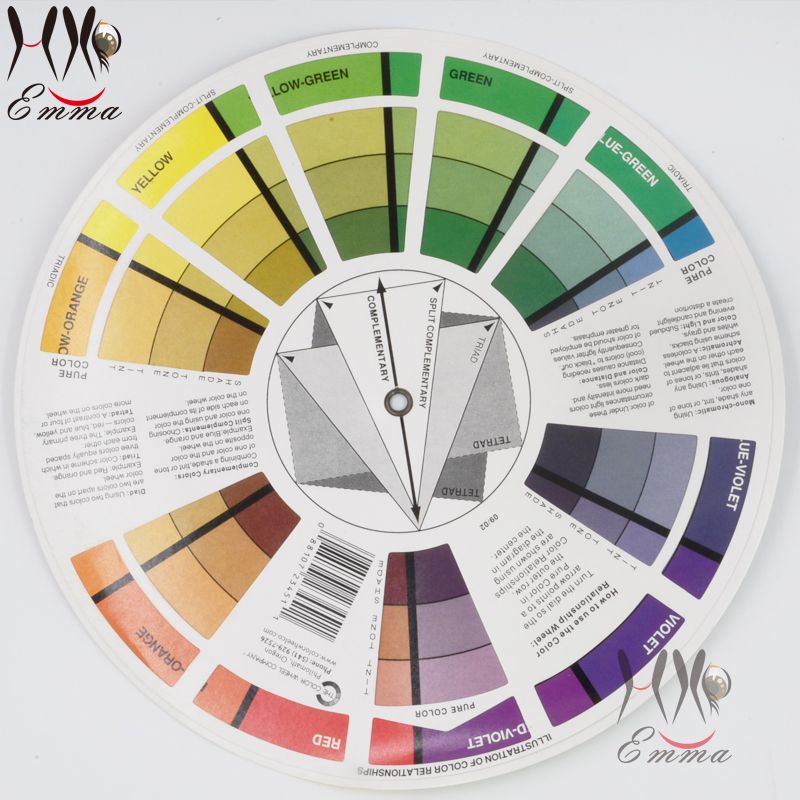
Biotouch Tattoo Ink Accessories Permanent Makeup Micro Pigment Color
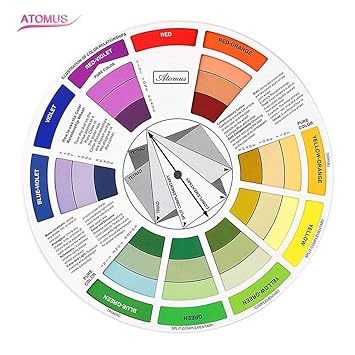
Amazon Com Color Wheel For Tattoo Permanent Makeup Accessories For

Color Theory For Permanent Makeup Saubhaya Makeup
Amazon Com Permanent Makeup Online Color Theory Course Beauty

Phibrows Pigments Permanent Makeup Phi Brows Color Theory
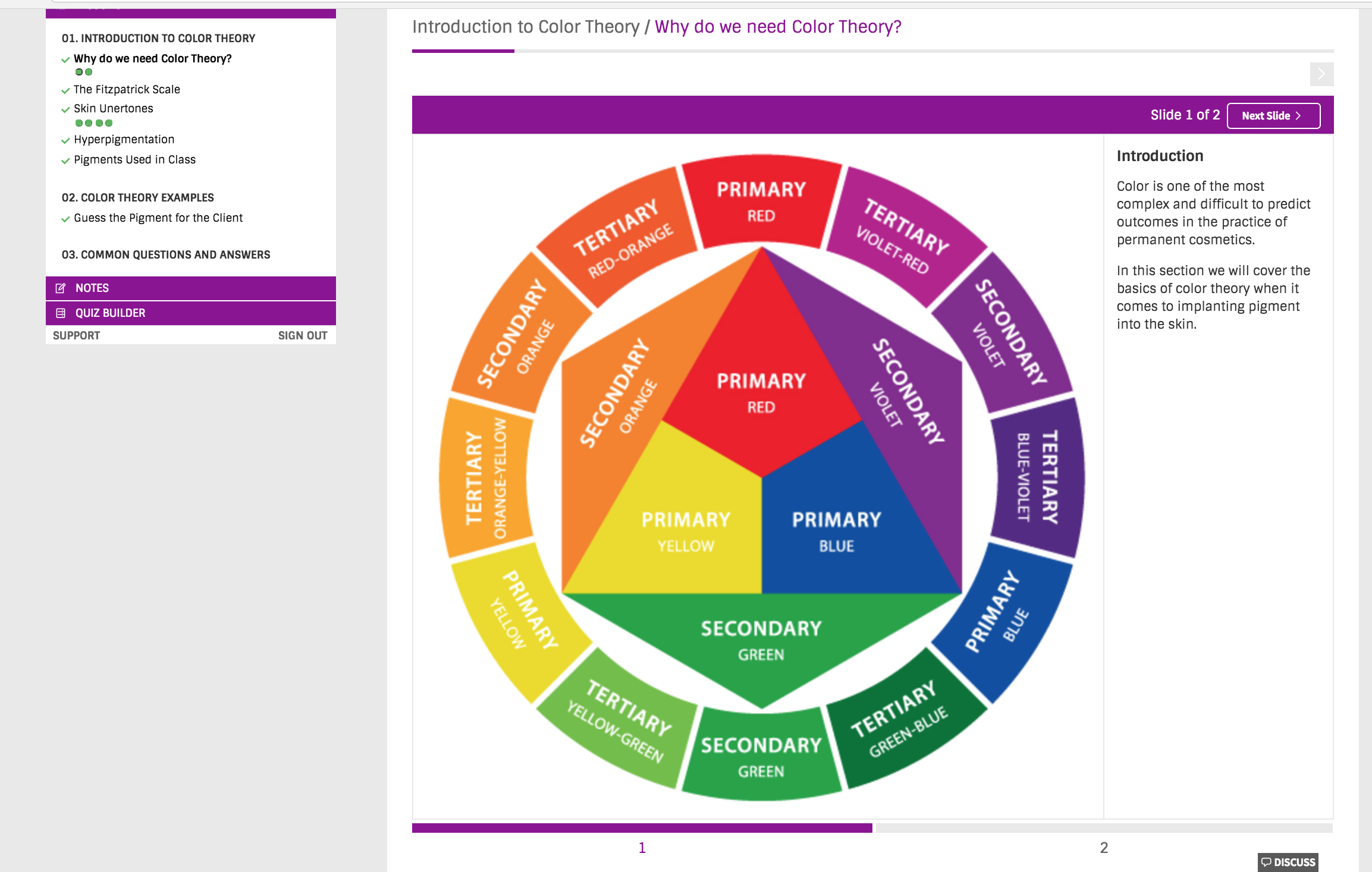
Brow Design Microblading Fundamentals Course New York City July 31
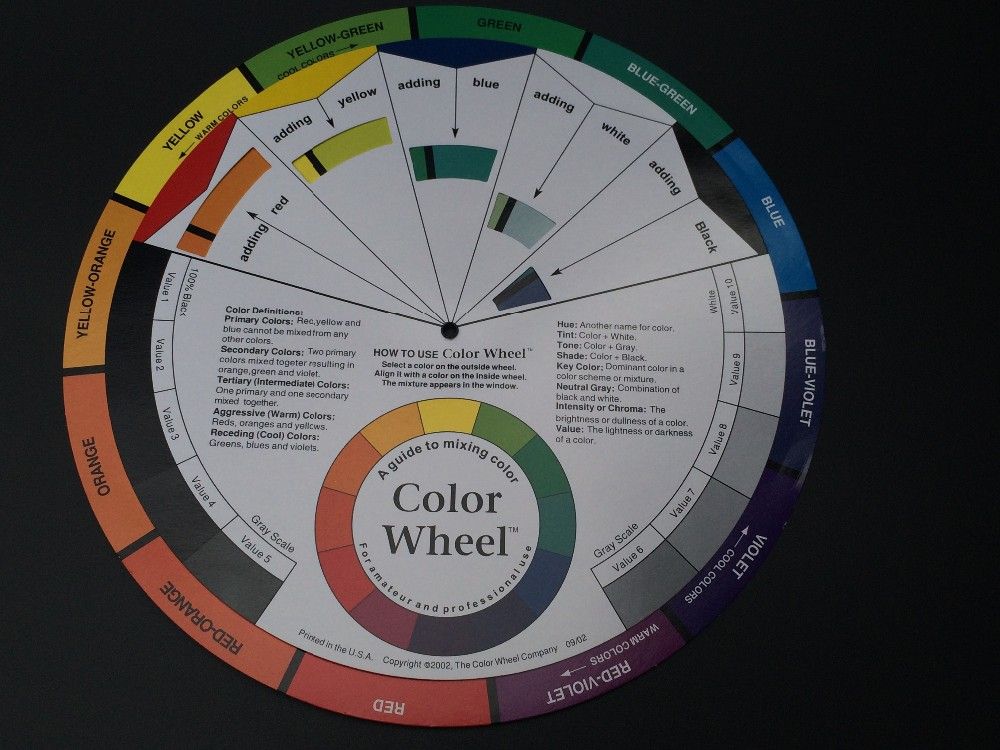
Micro Pigment Color Wheel Guide To Mixing Color Tattoo Permanent

Permanent Makeup Pigments Microblading Pigments Lorena Oberg
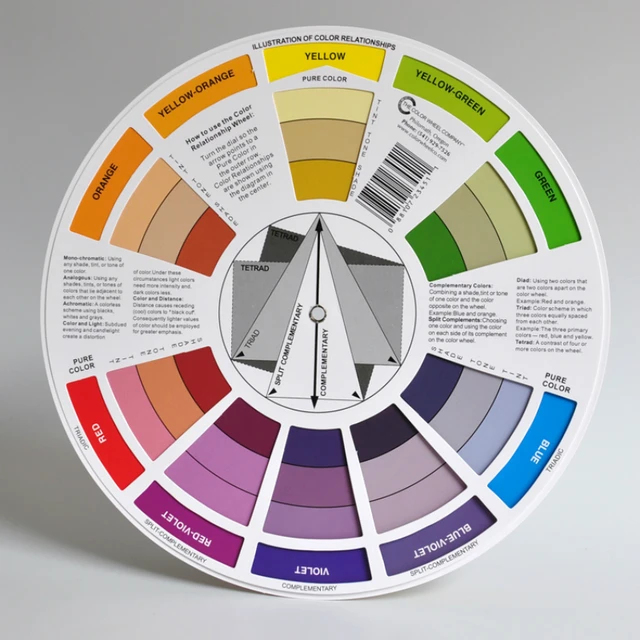
Tattoo Permanent Makeup Accessories Color Wheel For Amateur And

How To Use Color Theory In Makeup Saubhaya Makeup

True Colors Promo Dvd Youtube

Color Theory Wikipedia

Colour Theory And Pigments Used In Semi Permanent Make Up The

Permanent Makeup Png Download 706 716 Free Transparent Hair

Amazon Com Biotouch Permanent Makeup Color Wheel Accessory Tools
Color Theory Skin Undertones Drawing Techniques For Permanent
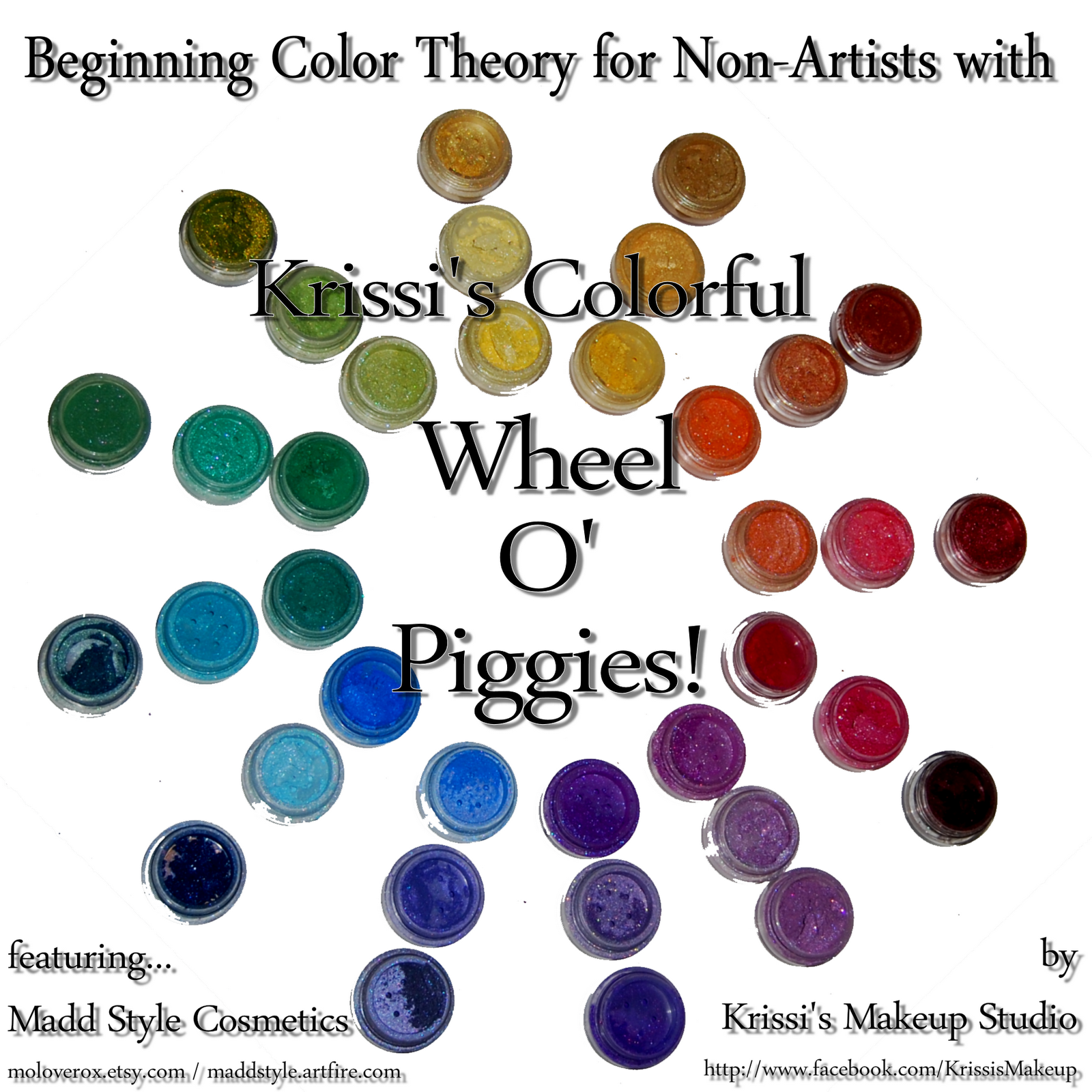
Color Theory Permanent Makeup Saubhaya Makeup

Colour Theory In Semi Permanent Makeup Ubspmu

Permanent Eyebrow Makeup Color Correction By Alina Soloveva Pmu

Become A Permanent Makeup Artist Permanent Makeup Training

Color Theory Explained Inside And Out Beau Institute For