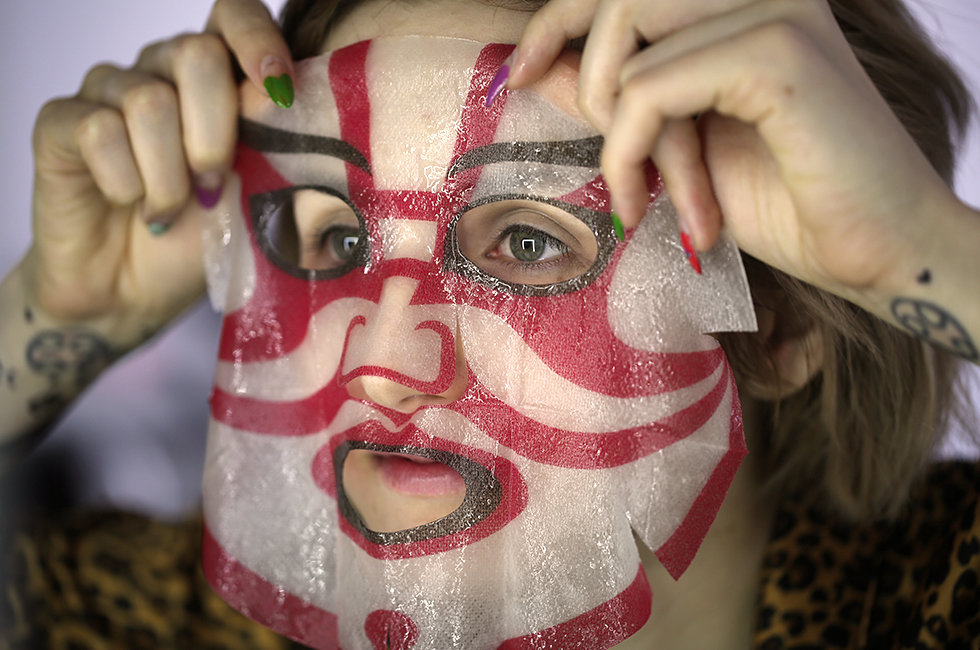
Japanese Kabuki Makeup

Kabuki Makeup Photo Taken From Kabuki Theatre Board 20 Non

Kabuki Masks This Is The Japanese Kabuki Mask Sorry If This Is

Kabuki Makeup Imgur

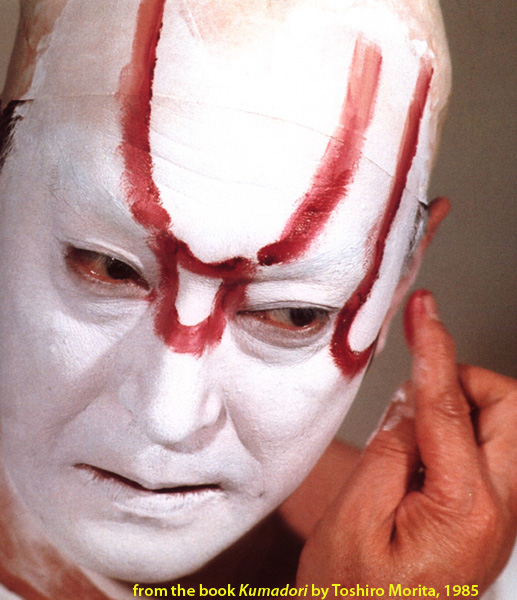
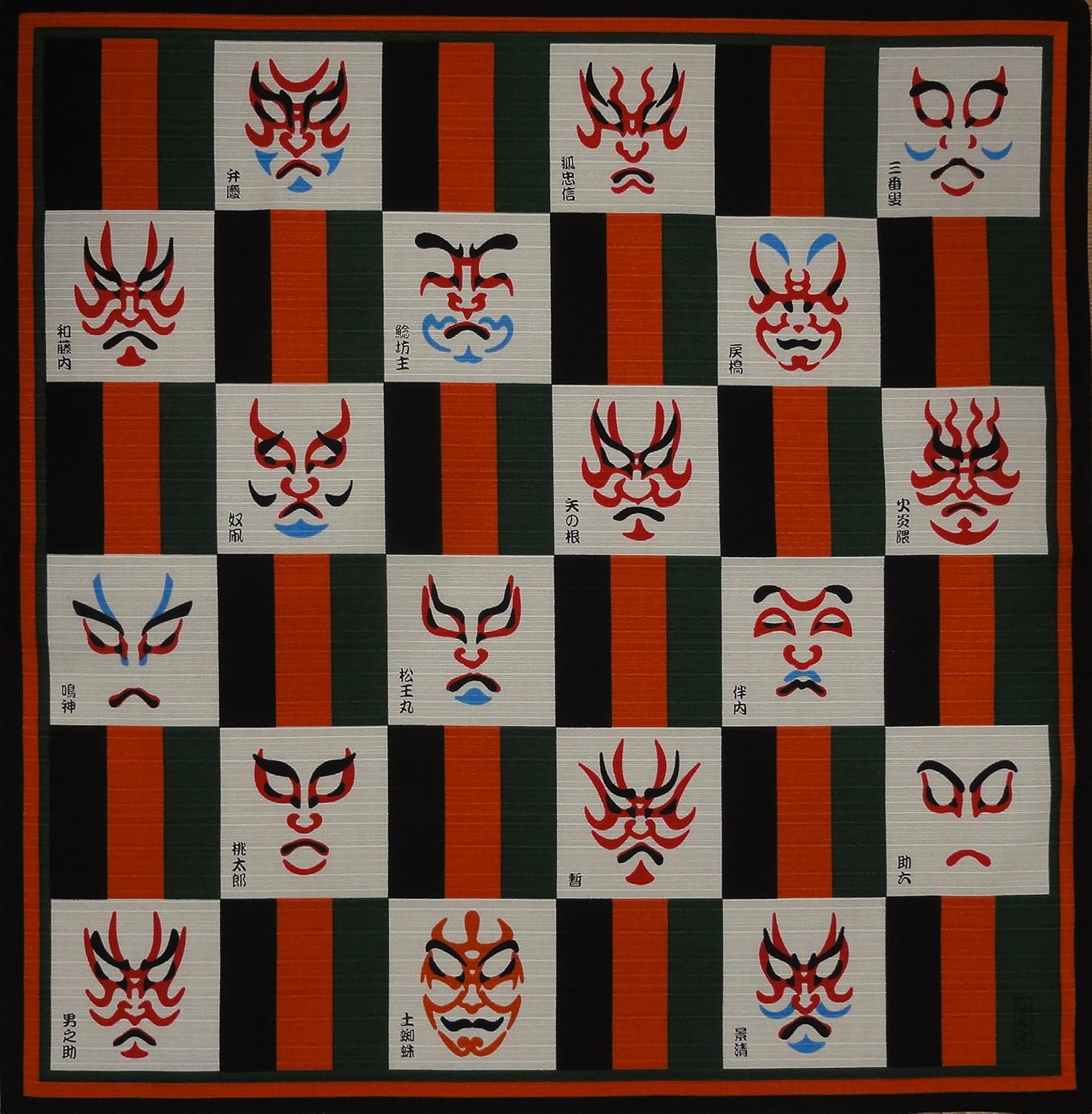
The pattern of the makeup and the color stand for certain characters.
Japanese kabuki makeup. How to maikogeisha make up duration. Fun facts about kabuki theater and kabuki makeup. Kabuki is made up of three kanji chinese characters. If you happen to be interested in the history of makeup and cosmetics learning about kabuki makeup and what it signifies is a very interesting place to start.
The use of transformational makeup in japan can be traced back to ancient. Kabuki theater began when female attendants at religious shrines began performing a mixture of folk dance and religious dance. Literally kabuki means the art of song and dance but performances extend well beyond these two elements. All told japanese kabuki is an outlandish visual spectacle which focuses more on looks.
Artelino kumadori is the japanese word for the makeup worn by the kabuki actors. The actors become living special effects to present the story and extravagant masking and makeup is integral to this complete transformation of the actor so asian theatre generally includes the most sophisticated facepainting designs in the world such as the kumadori makeup tradition in japanese kabuki theater. Kabuki makeup is applied heavily to create a brightly painted mask that uses colors to indicate age gender and the moods of each character. Ka meaning sing bu representing dance and ki indicating skill.
Many things make kabuki special but arguably the most recognizable trait of the kabuki actor are the elegant costumes and elaborate distinctive kabuki makeup. Kabuki theater started during the edo period so its a part of ancient japanese culture. Kabuki is a traditional japanese form of theater with roots tracing back to the edo periodit is recognized as one of japans three major classical theaters along with noh and bunraku and has been named as a unesco intangible cultural heritage. Kabuki play is a bit like a soap opera its all about love betrayal and revenge.
Most japanese women arent geisha and you wont see kabuki makeup outside of the theater but knowing a bit about the cosmetic traditions of this asian nation is sure to enlighten. Thus the kabuki audience could easily recognize what kind of role an actor represented a hero a villain a ghost.

Kabuki Masks Example Of Kabuki Makeup From The Book Body

A Kabuki Makeup Tutuorial That Anyone Can Do
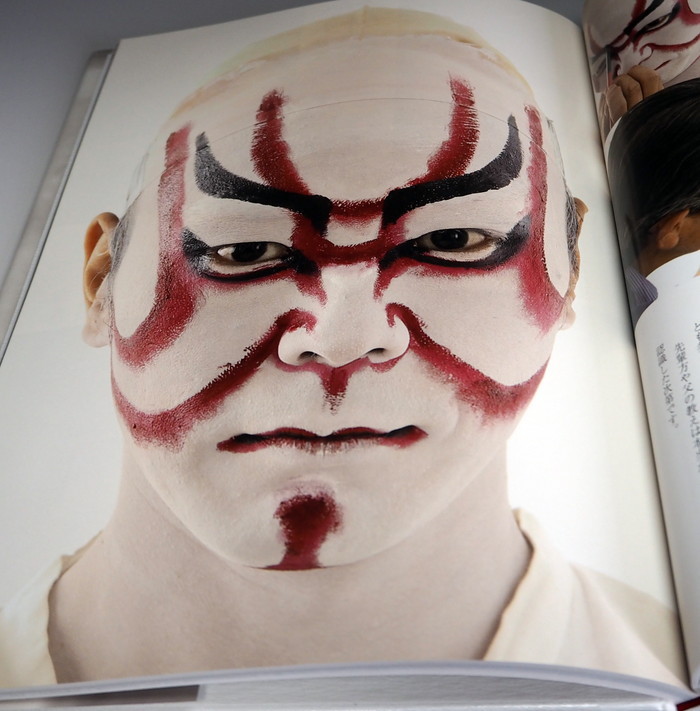
Makeup Of Kabuki Book From Japan Japanese Books Wasabi

Traditional Japanese Makeup Lovetoknow

Kumadori The Painted Faces Of Japanese Kabuki Theatre The Story

Kabuki Makeup Morgue In 2019 Japanese Makeup Theatre Makeup
Let S Talk Musicals Make A Face Japanese Kabuki Makeup

Traditional Japanese Makeup Kabuki Makeup Obviously Not For Every

Kumadori The Painted Faces Of Japanese Kabuki Theatre The Story

Makeup Kabuki The Classical Theater Of Japan

Oshiguma Kumadori Japanese Kabuki Theatre Makeup Prints
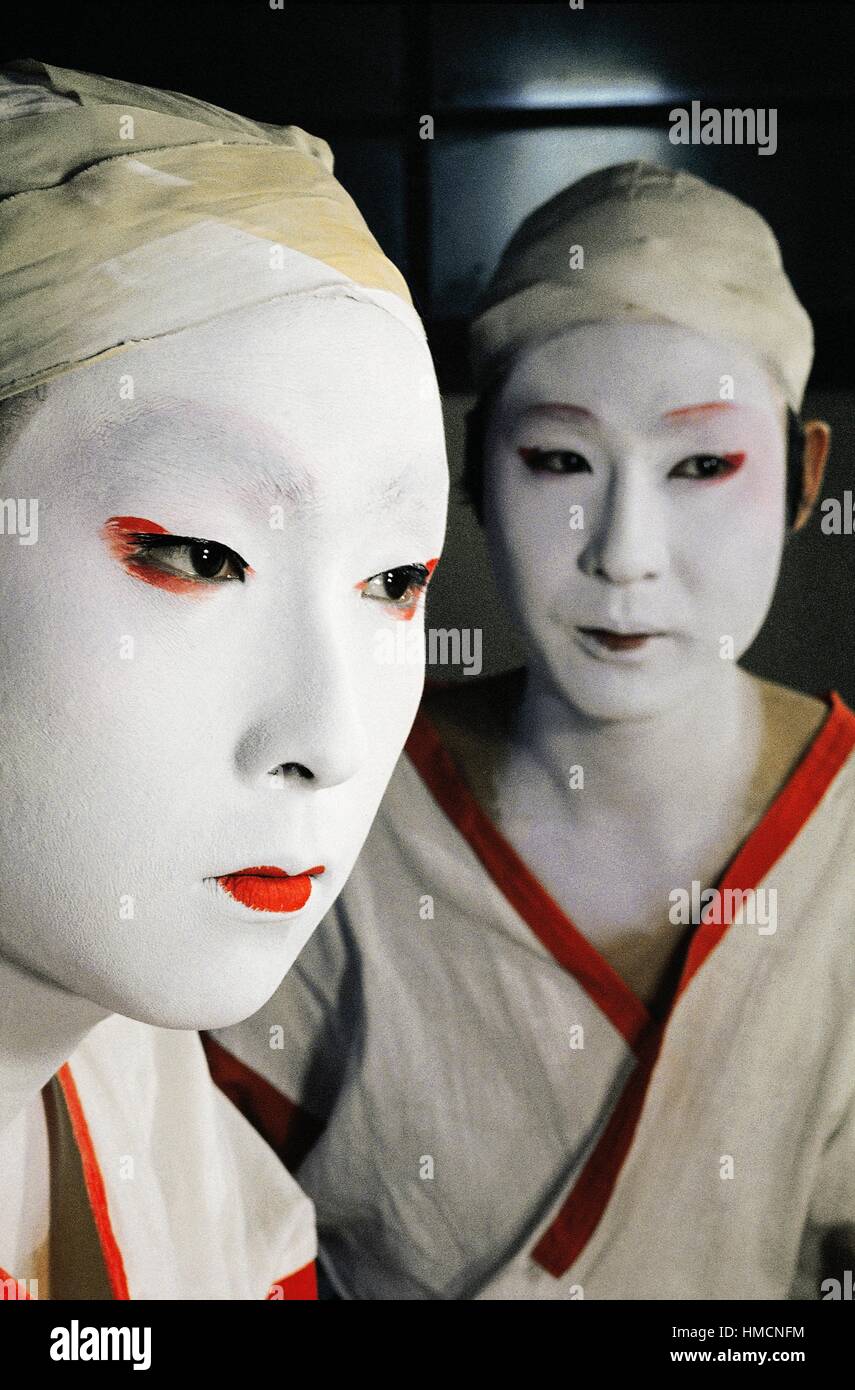
Actors Wearing Kumadori Stage Makeup Kabuki Theatre Tokyo Japan
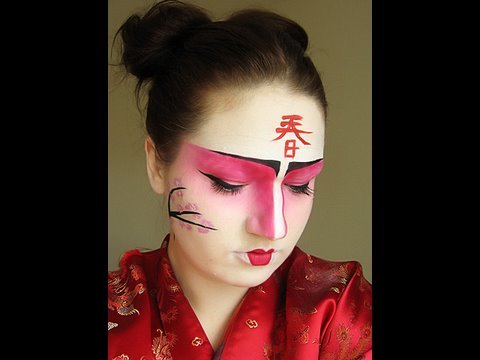
Geisha Kabuki Japanese Makeup For Halloween Youtube

File Japan Kabuki Actress Makeup 1202 Jpg Wikimedia Commons
Japanese Colour Meanings Ib Theatre Research Investigation On Kabuki

Made In Japan Com A Luuumouraa Kabuki Makeup Maquiagemcenica
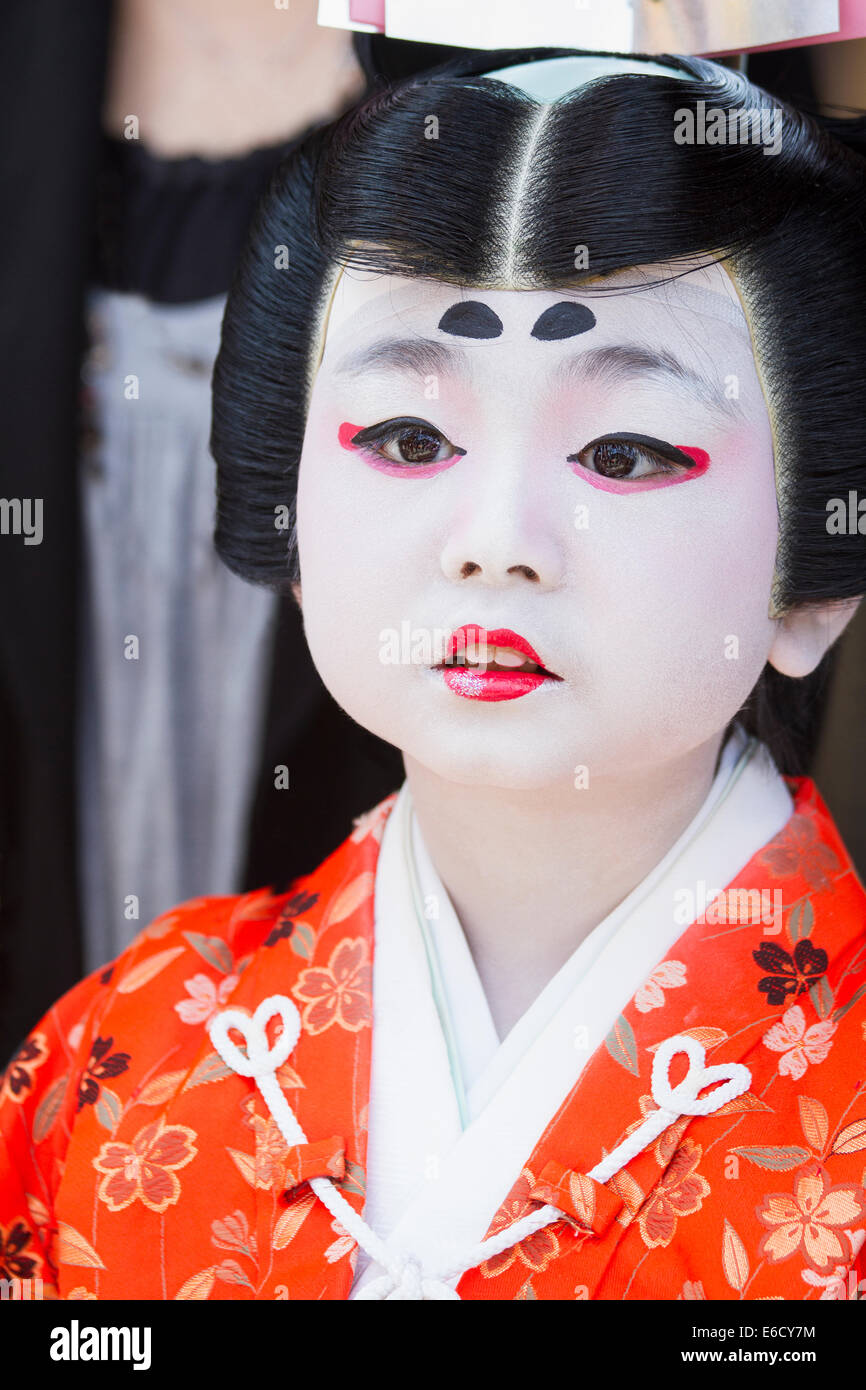
Girl Dressed In Costume For A Kabuki Performance At Furukawa Stock

Kabuki Japanese Lamp Mask Kabuki Makeup Shoji Lamps

Kabuki Makeup Youtube

Julia Graf Japenese Cherry Blossoms Kabuki Inspired Makeup

Kumadori The Three Colors To Know To Better Enjoy Kabuki Goin

13 Best Kabuki Noh Theatre Images In 2015 Noh Theatre Japanese
Amazon Com Furoshiki Wrapping Cloth Kumadori Kabuki Theater Makeup

Kabuki Makeup Japanese Culture Pbs Learningmedia
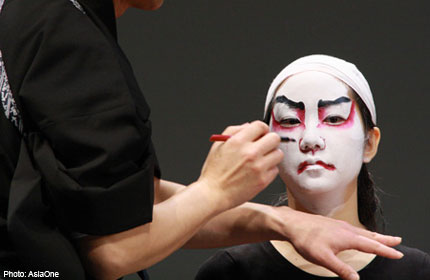
S Poreans Get Taste Of Traditional Japanese Theatre

What Is A Kabuki Brush Used For Quora